 11
11
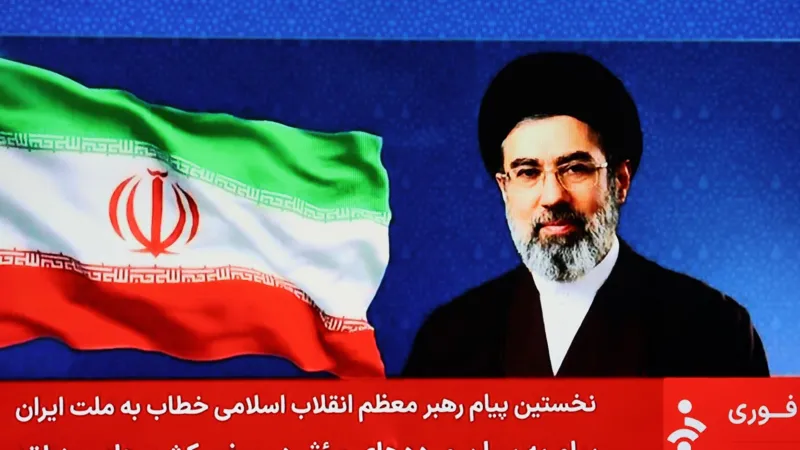
The Middle East has been facing intense geopolitical tensions in 2026, particularly after the dramatic developments surrounding Iran’s leadership. Reports about the injury of Iran’s new Supreme Leader, Mojtaba Khamenei, have sparked widespread international attention and speculation.
Following the assassination of his father, Ali Khamenei, during a major military escalation, Mojtaba Khamenei assumed the country’s highest leadership position. However, shortly after his appointment, reports surfaced claiming that he had been injured during the conflict.
This article explores the background, causes, and global implications of Iran’s Supreme Leader injury, along with the political and regional impact of the ongoing conflict.
Iran experienced a massive political shock in late February 2026 when its long-time Supreme Leader, Ali Khamenei, was killed during airstrikes targeting senior Iranian leadership in Tehran.
Soon after the assassination, Iranian authorities moved quickly to appoint his son, Mojtaba Khamenei, as the new Supreme Leader. His selection was seen by some analysts as a continuation of the existing power structure inside Iran’s religious and political establishment.
However, the situation became even more complicated when reports emerged that the new leader had been injured during the early phase of the war.
According to several international reports, Mojtaba Khamenei suffered injuries during the early stages of the conflict that erupted after the assassination of his father.
Some officials in the United States claimed that the Iranian leader was wounded and possibly disfigured during attacks targeting Iranian leadership positions.
However, Iranian authorities have presented a different version of events. Government representatives and officials have stated that the new Supreme Leader was injured but remains safe and capable of leading the country.
Because Mojtaba Khamenei has not made many public appearances since the beginning of the war, speculation about the severity of his injuries continues to circulate in international media and political circles.
The reported injury appears to be connected to the early military strikes targeting Iran’s leadership and military infrastructure. These attacks were part of the broader 2026 Iran conflict involving the United States and Israel.
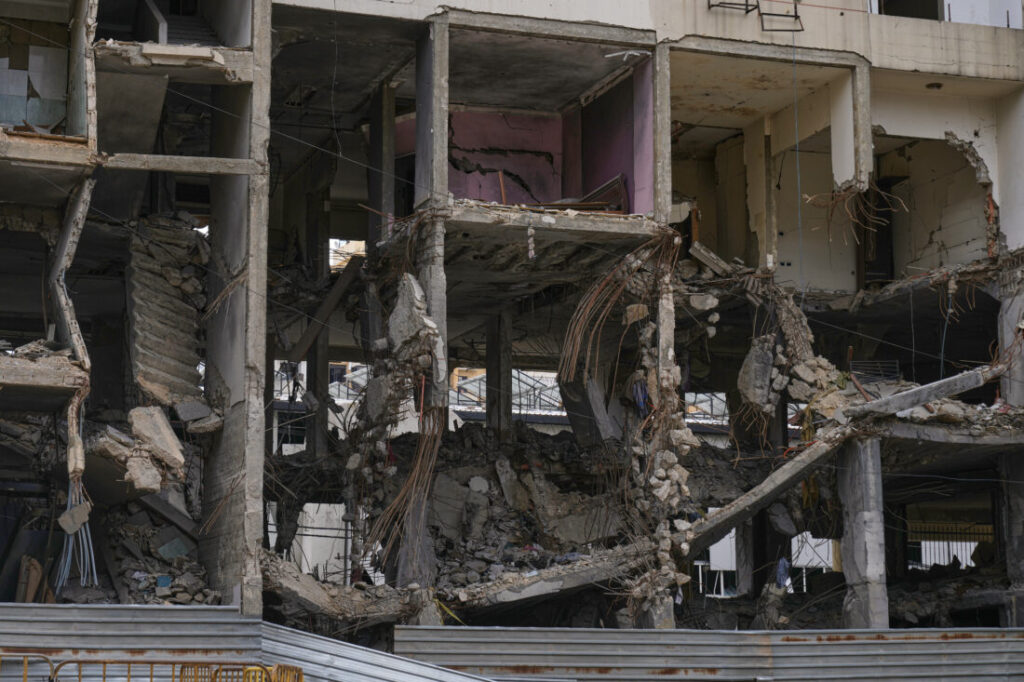
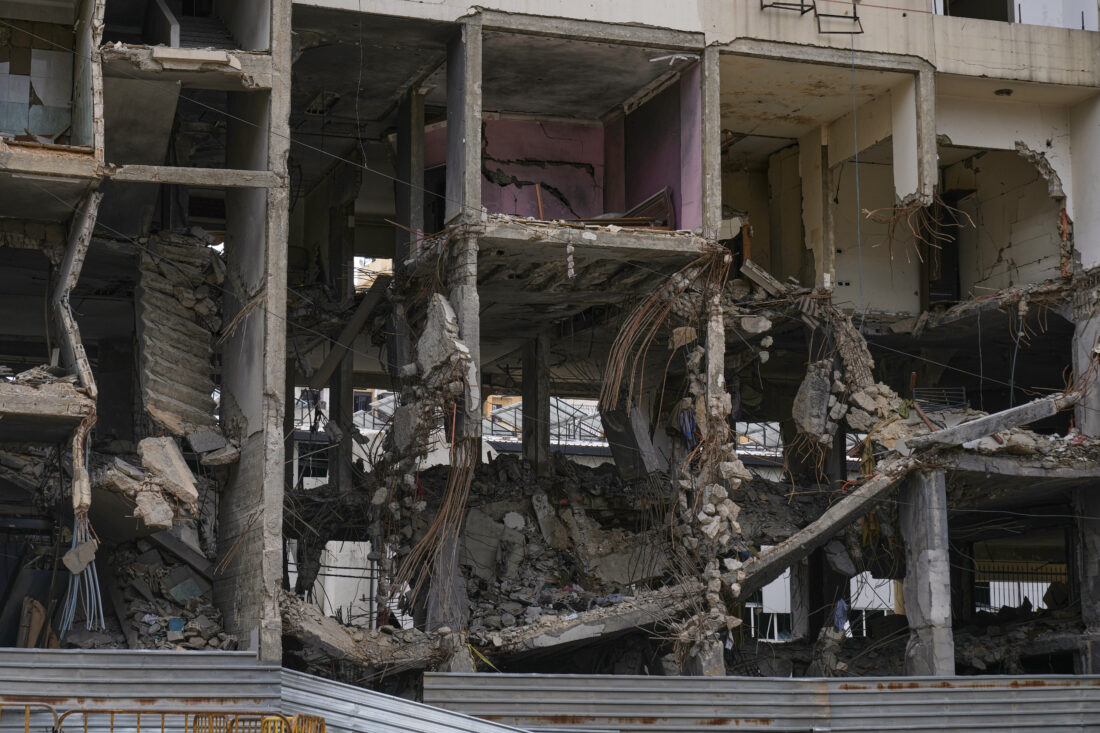
The strikes reportedly targeted high-level government and military facilities in Tehran and other strategic locations. The operation aimed to weaken Iran’s command structure and reduce its military capabilities.
During these attacks:
Several Iranian leaders and military officials were killed.
Key government buildings were damaged.
Senior members of Iran’s political establishment were reportedly injured.
Intelligence assessments suggest that Mojtaba Khamenei may have sustained injuries while these strikes were taking place, although details about the exact nature of his injuries remain unclear.
One of the main reasons this story has attracted global attention is the conflicting information from different sources.
Some Western officials have suggested that the injury could be serious and may even affect Mojtaba Khamenei’s ability to lead effectively.
These claims include reports that he might have suffered facial or physical injuries during the attacks.
Iranian officials, however, insist that the leader is stable and continuing to run the country despite the injury.
They emphasize that the political and military command structure remains intact and that the government is fully operational.
Another factor contributing to speculation is that Mojtaba Khamenei has not appeared frequently in public since the attacks.
His communication has mostly been through written statements and official messages rather than televised speeches.
The injury of Iran’s Supreme Leader comes at a time when the country is already facing significant political and military pressure.
The transition from Ali Khamenei to Mojtaba Khamenei was already controversial among some observers. Critics argued that the appointment resembled a hereditary transfer of power rather than a traditional clerical selection process.
Despite the rumors about the leader’s health, Iranian authorities have emphasized that:
The government remains stable
Military operations continue
Strategic decisions are still being made at the highest levels
The leadership has also attempted to show strength by issuing statements promising resistance against foreign military pressure.
The news about the injury of Iran’s Supreme Leader has triggered reactions from governments, analysts, and media outlets worldwide.
Officials in Washington have commented on the situation as part of the broader conflict between Iran and Western powers.
Some U.S. defense officials claimed that the injuries could weaken Iran’s leadership structure and decision-making process.
Countries across the Middle East are closely monitoring the situation because any instability in Iran could significantly impact the region.
Potential consequences include:
Increased military tensions
Oil market fluctuations
Regional political instability
Political analysts have highlighted that the health of Iran’s Supreme Leader is extremely important because the position holds ultimate authority over military, political, and religious matters in the country.
The reported injury could influence the direction of the ongoing conflict in several ways.
If the leader is seriously injured, decision-making may shift toward Iran’s military commanders or senior political figures.
Even if Mojtaba Khamenei is unable to appear publicly, he may still remain the symbolic leader while advisors and councils manage daily operations.
The ongoing conflict has already resulted in:
thousands of casualties
major military strikes
rising tensions across the Middle East
Any uncertainty about Iran’s leadership could potentially escalate the situation further.
The leadership crisis in Iran has also affected global markets.
Iran is a major player in global energy markets. News about leadership instability and war has caused fluctuations in oil prices.
The Strait of Hormuz, one of the world’s most important shipping routes for oil, has become a major point of concern during the conflict.
Any disruption in this area could impact global energy supplies and international trade.
The future of Iran’s leadership and the health of Mojtaba Khamenei remain uncertain.
Several key developments will determine how the situation unfolds:
Public appearances by the Supreme Leader
Official confirmation of his medical condition
The progress of the ongoing war
Internal political stability in Iran
If Mojtaba Khamenei recovers fully and continues to lead, the Iranian government may attempt to present the incident as a symbol of resilience against foreign attacks.
However, if the injury is more serious than reported, it could create additional political challenges for the country.
The reported injury of Iran’s Supreme Leader Mojtaba Khamenei has become one of the most closely watched developments in global politics.
Taking place during a period of intense conflict and leadership transition, the incident has raised important questions about Iran’s political stability and the future of the Middle East.
While official Iranian sources claim that the leader is safe and capable of governing, international reports suggest that the full extent of his injuries remains unclear.
As the conflict continues, the world will be watching closely to see how Iran’s leadership evolves and what impact it will have on regional and global stability.