 11
11
The geopolitical landscape of the Middle East underwent a seismic shift on February 28, 2026, when the United States and Israel launched a massive, coordinated military campaign against the Islamic Republic of Iran. Code-named “Epic Fury” by the U.S. and “Roaring Lion” by Israel, the operation marked the end of decades of “shadow war” and the beginning of a direct, high-intensity conflict that has now entered its third week.
As of March 14, 2026, the region remains on a knife-edge. This article provides an in-depth look at the current state of the war, the military strategies being employed, the humanitarian toll, and the global economic ripples caused by the closure of the world’s most critical energy artery.
The escalation follows years of tension regarding Iran’s nuclear program. After a brief but violent “Twelve-Day War” in June 2025, diplomatic efforts appeared to be failing. In early 2026, widespread internal protests in Iran, fueled by a collapsing economy and a “dollar shortage” allegedly engineered by Washington, further destabilized the regime.
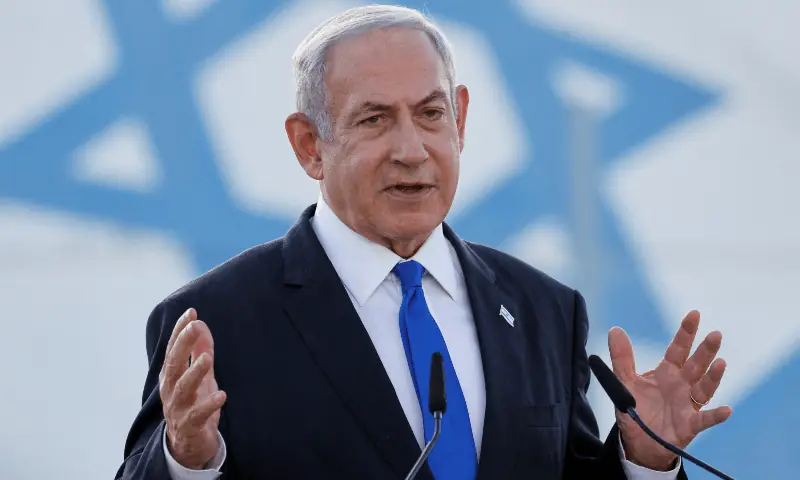
On February 28, claiming that Iran was on the precipice of achieving nuclear breakout and citing an “imminent threat,” the Trump administration and the Netanyahu government launched a surprise strike. The primary objectives were:
Neutralization of Nuclear Facilities: Strikes targeted Natanz, Fordow, and Isfahan.
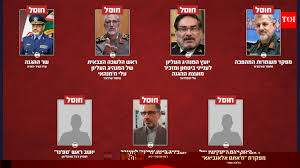
Regime Decapitation: High-precision strikes targeted the leadership compound in Tehran.
Degradation of Proxy Power: Simultaneously, Israel intensified operations against Hezbollah in Lebanon.
One of the most significant outcomes of the initial strike was the confirmed assassination of Supreme Leader Ali Khamenei. His compound was destroyed in the opening hours of the campaign. In his stead, his son Mojtaba Khamenei has ascended to the position of Supreme Leader.
However, Mojtaba’s leadership has been fraught with challenges. He has largely remained out of public view, leading to rumors of injury or internal power struggles. On March 13, U.S. Secretary of Defense Pete Hegseth claimed that Mojtaba is “wounded and likely disfigured.” Despite this, the new leader issued a stern warning this week, stating that attacks on Israeli and U.S. assets will continue until all foreign bases in the region are closed.
The sheer scale of the conflict is unprecedented.
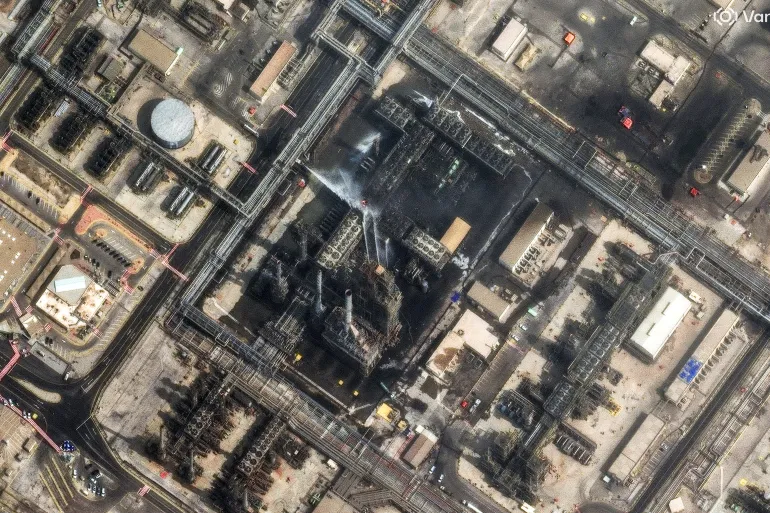
The Israeli Defense Forces (IDF) and U.S. Central Command (CENTCOM) have conducted over 7,600 strikes within Iran and over 1,100 in Lebanon. Recent reports indicate a shift toward “hyperlocal targeting,” focusing on internal security units (the Basij) and Revolutionary Guard (IRGC) command centers in an attempt to weaken the regime’s control over its own population.
Iran has not remained passive. Utilizing its vast arsenal of ballistic missiles and “Shahed-136” drones, Tehran has launched five waves of attacks in the last 24 hours alone.
Targeting Israel: Missiles have reached as far as Tel Aviv, Haifa, and Jerusalem.
Expanding the Zone: In a strategic shift, Iran has directed nearly 48% of its projectiles toward Gulf states like the UAE, Kuwait, and Saudi Arabia. This is widely viewed as an attempt to punish regional neighbors who host U.S. military assets.
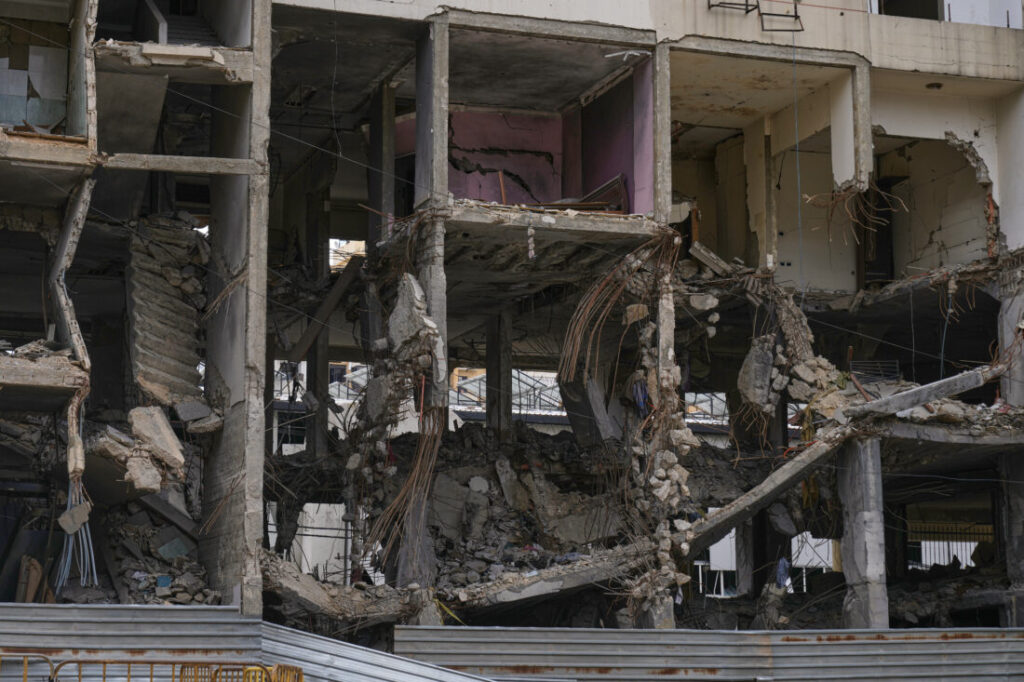
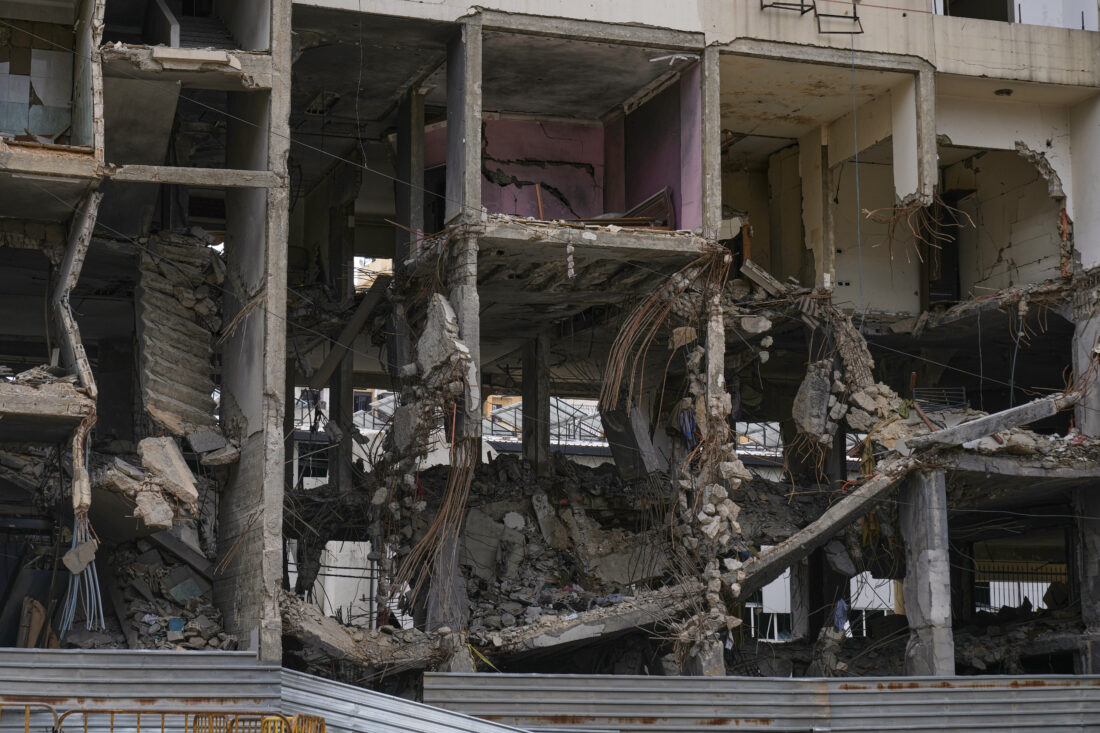
Lebanon has become the war’s “central arena.” Hezbollah has launched the highest number of daily attacks in its history, firing over 220 munitions in a single 18-hour window on March 11. In response, Israel has expanded ground operations in southern Lebanon and pounded Beirut’s southern suburbs.
The most globalized aspect of this war is the disruption of maritime trade. Iran has followed through on its threat to close the Strait of Hormuz, a move that has sent global oil prices soaring.
The G7 nations are currently debating the use of military escorts for commercial vessels, though the environment remains “tactically complex” due to Iranian naval mines and unmanned surface vessels (USVs).
The human cost of the conflict is staggering and continues to mount daily.
Casualties in Iran: Rights organizations estimate over 4,300 deaths, including a significant number of military personnel and civilians.
Casualties in Lebanon: Lebanese officials report 773 deaths and over 750,000 displaced people since early March.
Civilian Incidents: A tragic strike on a school in Iran on February 28 killed 168 children; the U.S. military has recently elevated its investigation into the incident following reports that U.S. forces were responsible.
While military operations dominate the headlines, back-channel diplomacy is struggling to gain traction.
UN Intervention: Secretary-General Antonio Guterres is currently in Beirut on a “solidarity mission.”
Nuclear Negotiations: IAEA Director General Rafael Grossi is in Moscow, attempting to bridge the gap between Washington and Tehran to prevent a total nuclear escalation.
Internal U.S. Pressure: Over 250 U.S. organizations have petitioned Congress to halt funding for the war, citing the $11.3 billion spent in the first week alone.
The Iran-Israel war of 2026 is no longer a contained regional skirmish; it is a global crisis. With a new and unproven leader in Tehran, a resolute administration in Washington, and a destabilized global energy market, the coming weeks will determine if the Middle East can find a path toward a ceasefire or if the conflict will broaden into a truly global confrontation.